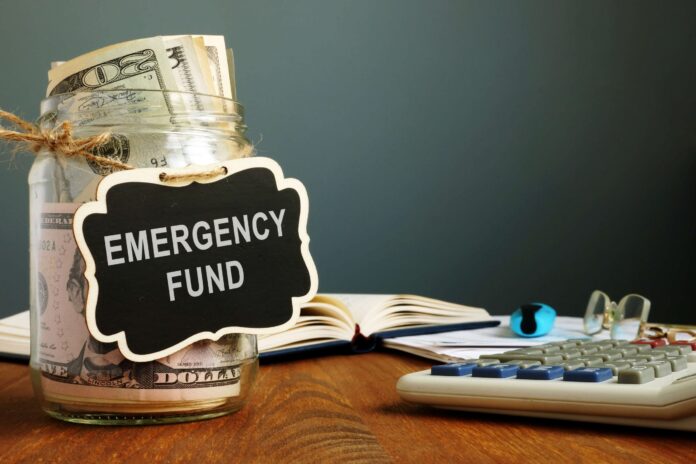


Preparing for the unexpected isn’t just smart — it’s essential. Life is full of surprises. Some are exciting (a surprise birthday party!), but others can hit your wallet hard — like losing a job, needing urgent medical care, or fixing a broken car. That’s where an emergency fund comes in: a financial safety net that helps you stay strong even when life throws a curveball. FCAA+1
What Is an Emergency Fund?
An emergency fund is money you save and keep for unexpected costs or financial emergencies. It isn’t for vacations, gadgets, or new clothes — it’s strictly for bad‑luck moments that can disrupt your life and finances. FCAA
You can think of it like a financial safety cushion — something you can fall back on instead of relying on credit cards or loans with high interest. Consumer Financial Protection Bureau
The goal of an emergency fund is simple: protect you from money stress when life gets unpredictable. Bankrate
Why You Absolutely Need an Emergency Fund
Here are the core reasons experts urge everyone to build one:
✅ 1. Protection Against Money Stress
When a sudden cost hits — like a medical bill or car repair — having cash saved means you don’t panic or scramble for credit. That financial peace of mind is priceless. Your Money Wise Blog
✅ 2. Helps You Avoid Bad Debt
Without savings, people often turn to credit cards or loans with high interest rates. Over time, this can turn a small emergency into years of debt. An emergency fund prevents that spiral. Finance Fundamentals
✅ 3. Keeps Your Long‑Term Savings Intact
Emergency funds protect your other financial goals (like retirement or investments). Instead of dipping into those accounts, you use dedicated emergency savings. Consumer Financial Protection Bureau
✅ 4. Offers Freedom and Stability
Knowing you’re financially prepared means you can make better choices when life changes — like switching jobs or handling a pay cut — without stress. Your Money Wise Blog
How Much Money Should You Save?
Experts often recommend saving three to six months’ worth of living expenses in your emergency fund. That’s enough to cover essentials like:
- Rent or mortgage
- Groceries
- Utilities
- Insurance
- Transportation costs
This amount gives you a strong buffer in case you lose income or face big surprise expenses. Bankrate
But don’t let the big number scare you. It’s okay to start smaller and grow your fund over time! Forbes
Where to Keep Your Emergency Fund
Your fund should be:
🏦 Safe and Accessible
Keep it where you can access the money easily, without penalties or delays. Here are good options:
- Savings account at a bank or credit union
- High‑yield savings account (earns more interest than a regular one)
- Money market account with easy access
Avoid investments like stocks or retirement accounts for your emergency fund. Those can fluctuate in value or have withdrawal penalties — not ideal when you need money fast. Consumer Financial Protection Bureau
How to Build Your Emergency Fund — Step by Step
Here’s a simple plan to start saving:
1. Set a Realistic Goal
Begin with a smaller target like $500–$1,000. Once you reach that, increase your goal to cover more months of expenses. Forbes
2. Automate Your Savings
Set up automatic transfers from your checking account to your emergency savings. This makes saving consistent and removes the need to remember each month. Consumer Financial Protection Bureau
3. Track Your Progress
Watching your fund grow — even slowly — can be motivating and help you stay committed. Consumer Financial Protection Bureau
4. Use Windfalls Wisely
Tax refunds, bonuses, or extra pay checks are great opportunities to boost your emergency fund quickly. 1st Advantage Federal Credit Union
5. Replenish After Using It
If you ever have to dip into your emergency fund, make a plan to build it back up as soon as possible. Consumer Financial Protection Bureau
When You Should Use Your Emergency Fund
Knowing when to use it is just as important as saving it. Good reasons include:
💥 Job loss or reduced income — Pays essential bills while you find new work. Bankrate
🚑 Unexpected medical or dental bills not covered by insurance. Bankrate
🚗 Major car or home repairs that can’t wait. Bankrate
But remember:
❌ Don’t use your emergency fund for vacations, new gadgets, or impulsive purchases — those aren’t emergencies! Consumer Financial Protection Bureau
Final Tips for Success
✔ Be patient — building a solid emergency fund takes time. Forbes
✔ Make saving a regular habit — even small amounts add up. Consumer Financial Protection Bureau
✔ Celebrate milestones — reaching your first goals is worth recognizing! Consumer Financial Protection Bureau
Having an emergency fund is more than smart money management. It protects your peace of mind and gives you real financial confidence — something that’s absolutely priceless. Your Money Wise Blog