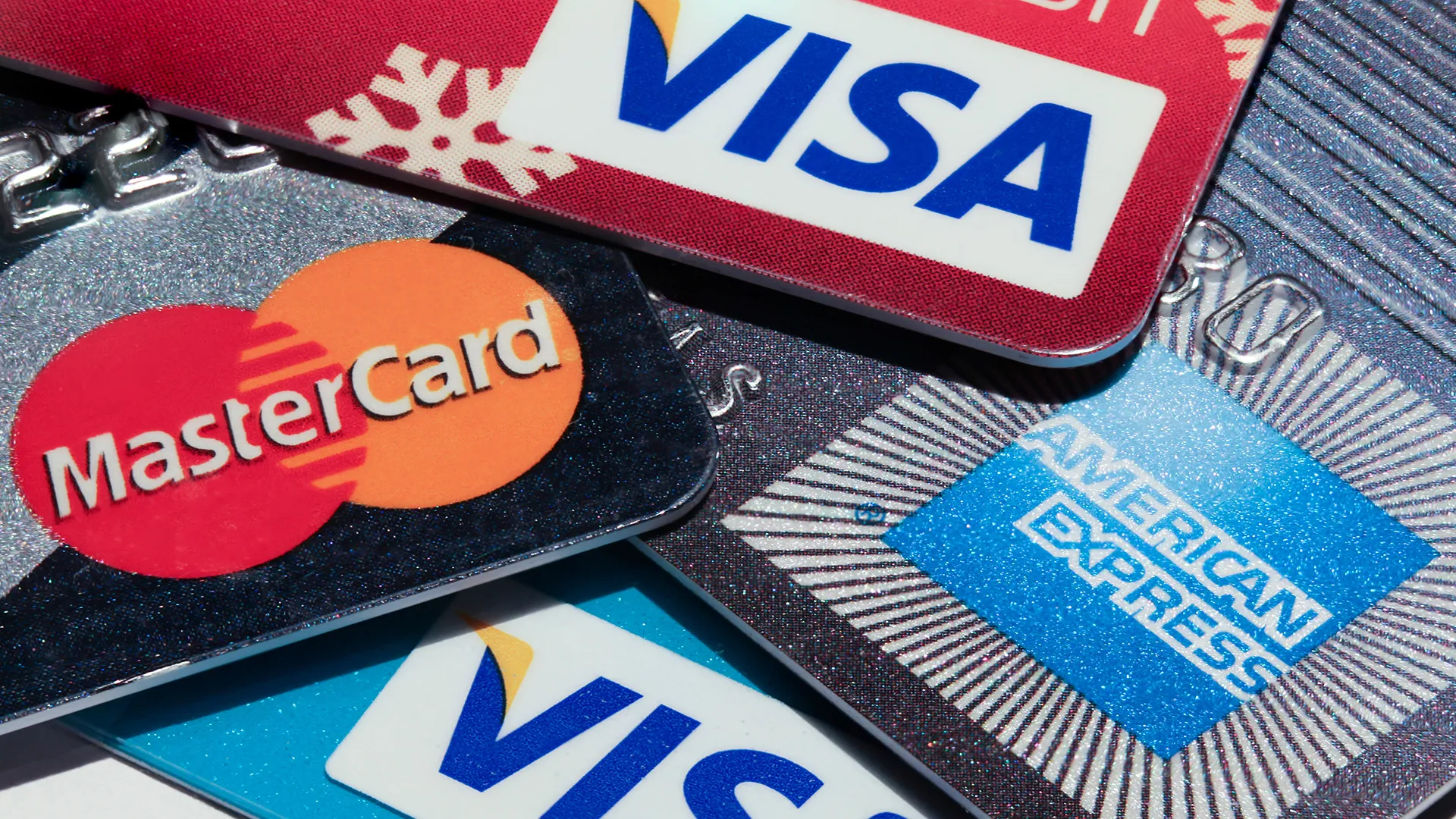
Credit cards are one of the most common financial tools today. Millions of people use them daily—for shopping, paying bills, booking travel, and even building credit. But while credit cards can be helpful, they can also cause financial trouble if not used wisely.
This Credit Cards Guide is designed to help beginners and everyday users understand how credit cards work, how to choose the right one, and how to use them responsibly. No confusing terms—just clear, simple explanations.
What Is a Credit Card?
A credit card is a payment card issued by a bank or financial institution that lets you borrow money up to a certain limit. You can use this money to make purchases and then pay it back later—either in full or over time.
If you don’t pay the full balance by the due date, the bank charges interest on the remaining amount.
(Source: https://www.investopedia.com/terms/c/creditcard.asp)
Think of a credit card as a short-term loan that resets every month.
How Credit Cards Work (Simple Explanation)
Here’s how a typical credit card cycle works:
- You make a purchase using your credit card
- The bank pays the merchant for you
- Your purchase appears on your monthly statement
- You pay the bank back by the due date
If you pay the full balance, you usually avoid interest. If you pay only part of it, interest is added to the rest.
(Source: https://www.consumerfinance.gov/ask-cfpb/what-is-a-credit-card-en-42/)
Types of Credit Cards
Not all credit cards are the same. Here are the most common types:
1. Standard Credit Cards
Basic cards with no rewards. Good for beginners who want simplicity.
2. Rewards Credit Cards
These offer cashback, points, or travel miles for spending.
(Source: https://www.nerdwallet.com/article/credit-cards/credit-card-rewards-basics)
3. Secured Credit Cards
Designed for people with no credit or bad credit. You provide a cash deposit as security.
(Source: https://www.experian.com/blogs/ask-experian/what-is-a-secured-credit-card/)
4. Balance Transfer Cards
Help you move debt from high-interest cards to a lower-interest one.
(Source: https://www.bankrate.com/credit-cards/balance-transfer/)
5. Student Credit Cards
Made for students with limited or no credit history.
(Source: https://www.forbes.com/advisor/credit-cards/best/student/)
Credit Limit, Interest, and Fees Explained
✔ Credit Limit
This is the maximum amount you can borrow on your card.
✔ Interest Rate (APR)
APR is the yearly cost of borrowing money if you don’t pay in full.
(Source: https://www.investopedia.com/terms/a/apr.asp)
✔ Common Fees
- Annual fee
- Late payment fee
- Cash advance fee
- Foreign transaction fee
Always read the terms before applying.
How Credit Cards Affect Your Credit Score
Using a credit card responsibly can help you build a strong credit score. Credit cards affect:
- Payment history (paying on time matters most)
- Credit utilization (how much of your limit you use)
- Credit history length
(Source: https://www.myfico.com/credit-education/whats-in-your-credit-score)
Keeping balances low and paying on time helps improve your score.
Benefits of Using Credit Cards
When used correctly, credit cards offer many advantages:
- Convenience and security
- Fraud protection
- Rewards and cashback
- Helps build credit history
- Emergency financial backup
(Source: https://www.usa.gov/credit-cards)
Risks of Credit Cards
Credit cards can also be risky if misused:
- High interest charges
- Easy to overspend
- Debt accumulation
- Damage to credit score
(Source: https://www.consumerfinance.gov/consumer-tools/credit-cards/)
That’s why understanding and control are so important.
Tips for Using Credit Cards Wisely
Here are practical tips anyone can follow:
🔹 Pay Your Balance in Full
Avoid interest by paying your full statement balance every month.
🔹 Never Miss a Payment
Late payments hurt your credit score and add fees.
🔹 Keep Utilization Low
Try to use less than 30% of your credit limit.
🔹 Avoid Cash Advances
They come with high fees and interest.
🔹 Review Statements Regularly
Check for errors or fraud.
(Source: https://www.nerdwallet.com/article/credit-cards/how-to-use-credit-cards)
How to Choose the Right Credit Card
Ask yourself these questions:
- Do I want rewards or simplicity?
- Can I pay the balance in full every month?
- Am I building credit or improving it?
- Do I travel often?
Comparing cards before applying can save money and stress.
(Source: https://www.bankrate.com/credit-cards/)
Final Thoughts
Credit cards are powerful financial tools—but only when used responsibly. They can help you build credit, earn rewards, and manage expenses. At the same time, poor use can lead to long-term debt and stress.
This Credit Cards Guide is your starting point. Learn the basics, read the fine print, and use credit cards as a tool—not a trap. Smart habits today lead to financial freedom tomorrow.