Credit is one of those financial topics that almost everyone deals with — but very few people truly understand. There’s so much advice out there (some of it wrong!) that it’s easy to believe myths about credit scores, credit cards, and how to build good credit. Unfortunately, these myths can actually hurt your financial health if you follow them.
In this guide, you’ll learn the truth behind the most common credit myths — explained in simple words, backed by real expert sources, and written in a human, easy-to-read style that anyone can understand.
What Is a Credit Myth?
A credit myth is a belief about credit that sounds true — but actually isn’t. These myths often spread through social media, word-of-mouth, or outdated financial advice. Believing them can lead to mistakes, like paying unnecessary interest, lowering your credit score, or missing opportunities to improve your finances.
According to the Consumer Financial Protection Bureau (CFPB), there are several misconceptions about credit scores that hold people back from making smart choices. Consumer Financial Protection Bureau
Myth #1: You Only Have One Credit Score
One of the most common myths is that you have just one credit score — a single number that defines your financial worth. This isn’t true.
In reality:
✔ You have many credit scores — because different lenders and credit reporting companies use different scoring models. Consumer Financial Protection Bureau
That means your score might vary depending on:
- The scoring model (FICO vs. VantageScore)
- The credit bureau that provides the score
- The type of loan or credit you’re applying for
So don’t panic if you see different numbers from different sources!
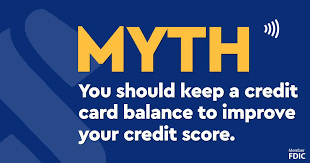
Myth #2: Carrying a Balance Improves Your Credit Score
Many people believe that if you carry a balance on your credit card each month, it will somehow help your score. That’s a dangerous myth — and it costs you money.
The truth:
✔ Carrying a balance does not help your credit score, and it costs you interest. NerdWallet+1
Your credit score looks at your credit utilization rate — which is how much of your available credit you’re using — not whether you have a balance. Paying your card off in full each month is the responsible way to keep utilization low and avoid paying extra interest.
Myth #3: Checking Your Credit Report Hurts Your Score
Lots of people avoid checking their credit because they think it will lower their score.
The truth:
✔ Checking your own credit (a soft inquiry) does not hurt your score. NerdWallet
However, when a lender checks your credit for a loan or card application (a hard inquiry), it can make your score dip slightly.
So — yes, check your credit regularly! It helps you catch errors, fraud, and areas for improvement.
Myth #4: Closing Old Accounts Always Improves Your Credit
Some people think that closing an old credit card will somehow clean up their credit and boost their score. Not so fast.
In fact:
✔ Closing old accounts can hurt your credit because it shortens your credit history and reduces your overall available credit. Kasheesh+1
Instead of closing a card with a long history, consider keeping it open — especially if it has no annual fee — and just not using it unless necessary.
Myth #5: Income Directly Impacts Your Credit Score
It seems logical that earning more money would mean a higher credit score — after all, more income usually makes debt easier to manage. But here’s the reality:
✔ Your income does not directly affect your credit score. Credit.com+1
It may help you qualify for credit with lenders, but the actual score is based on your credit history and payment behavior — not your paycheck.
Myth #6: Debit Cards Build Credit
This is a subtle but common misconception:
✔ Debit cards do not build credit. Forbes
Debit card activity doesn’t show up on your credit reports because you’re using your own money rather than borrowed money. If you want to build credit, you need credit-building products, like credit cards or loans that report to credit bureaus.
Myth #7: You Should Use More Than 30% of Your Credit Limit
While you can use a larger percentage of your credit limit without direct punishment from scoring models, experts typically recommend keeping your credit utilization below 30%. Why? Because it helps your score appear responsible to lenders. Consumer Financial Protection Bureau
That said, using a very small amount of your limit isn’t required to build credit — the key is paying bills on time and keeping balances manageable.
Why Credit Myths Matter
Believing the wrong thing about credit can:
✔ Lead to unnecessary interest payments
✔ Damage your credit score
✔ Keep you from achieving goals like buying a car, renting an apartment, or getting a low-interest loan
Getting the facts straight helps you make smarter financial choices and build stronger credit with confidence.
The Consumer Financial Protection Bureau encourages people to check their credit reports regularly, understand the difference between soft and hard inquiries, and only apply for credit you need. Consumer Financial Protection Bureau
How to Build Good Credit (The Right Way)
Now that we’ve busted the myths, here are proven ways to build and maintain a healthy credit score:
🔹 1. Pay on Time — Every Time
Payment history is one of the most important factors in credit scoring. Late or missed payments can hurt your score significantly.
🔹 2. Keep Balances Low
Aim to use only a small portion of your credit limit. This shows lenders that you’re responsible with credit.
🔹 3. Check Your Credit Report
Review your credit reports from the major bureaus at least once a year to correct any errors or signs of fraud.
🔹 4. Don’t Open Too Many Accounts at Once
Too many hard inquiries in a short time can signal risk to lenders.
🔹 5. Maintain Accounts You Don’t Use Often
Older credit accounts help your credit history length, which is another scoring factor.
Final Thoughts
Credit doesn’t have to be confusing. By understanding the real facts and ignoring the myths, you can take control of your financial future. The more you learn, the better decisions you’ll make — whether you’re applying for a loan, managing credit cards, or planning for big goals like a home or car purchase.
Believe the facts — not the myths!