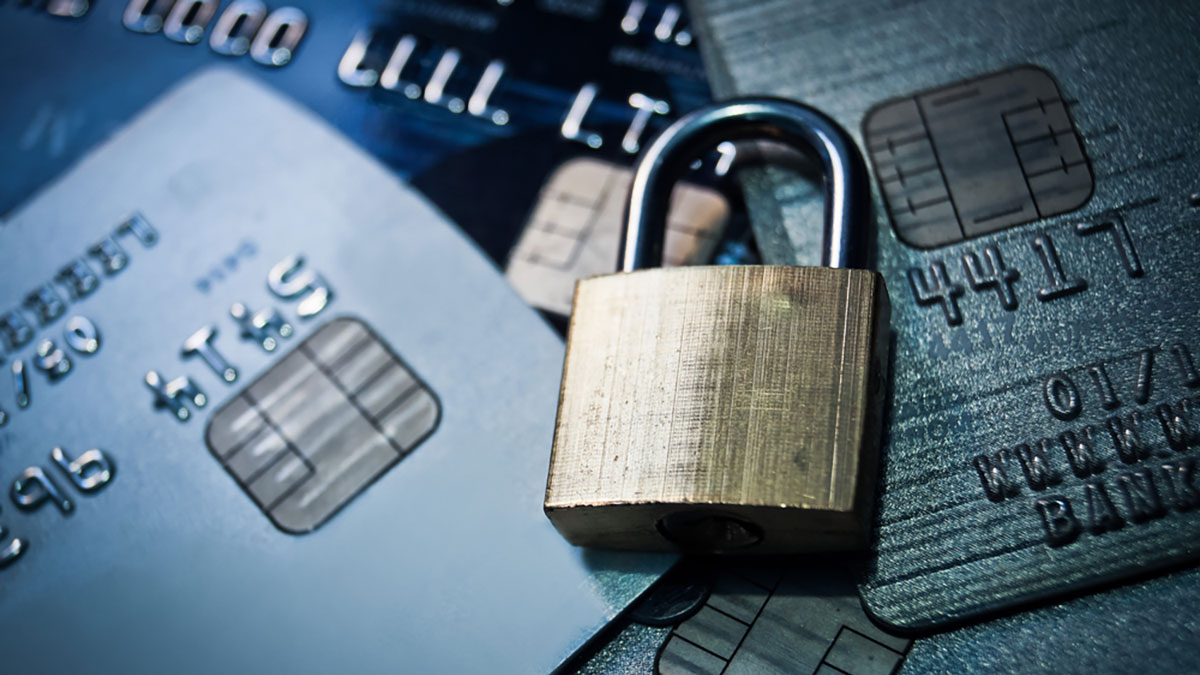
In today’s digital world, your personal information is more valuable than ever. From online shopping to mobile banking, we share sensitive data every day—often without thinking twice. This is where identity protection becomes extremely important.
Identity theft is no longer rare. Millions of people around the world fall victim each year, losing money, credit, and peace of mind. Understanding how identity protection works can help you stay safe and avoid serious financial damage.
This guide explains identity protection in simple terms, why it matters, and what you can do to protect yourself.
What Is Identity Protection?
Identity protection means keeping your personal information safe from theft, misuse, or fraud. This includes protecting details like your:
- Full name
- Social Security number
- Bank account information
- Credit card numbers
- Login credentials
- Medical and insurance records
When criminals get access to this information, they can open credit cards, take loans, file fake tax returns, or even commit crimes using your name. According to the U.S. Federal Trade Commission, identity theft is one of the most reported types of fraud every year (identitytheft.gov).
What Is Identity Theft?
Identity theft happens when someone steals your personal data and uses it without your permission. This can happen online or offline.
Common forms of identity theft include:
- Financial identity theft
- Credit card fraud
- Medical identity theft
- Tax identity theft
- Account takeover fraud
The FTC explains that identity theft can take months—or even years—to fully resolve (ftc.gov).
How Does Identity Theft Happen?
Identity theft can happen in many ways, and often without warning.
Common Methods Used by Criminals
- Phishing emails and texts
Fake messages that look real and trick you into sharing personal details.
(cisa.gov) - Data breaches
Hackers break into company databases and steal customer information.
(identityforce.com) - Weak passwords
Easy-to-guess passwords allow hackers to access your accounts. - Public Wi-Fi risks
Unsecured networks can expose your data to cybercriminals.
(consumer.ftc.gov) - Lost or stolen devices
Phones and laptops often store sensitive personal information.
Why Identity Protection Is Important
Identity theft can cause more than financial loss. It can affect your credit score, job opportunities, and even your mental health.
According to Experian, recovering from identity theft can take hundreds of hours and significant emotional stress (experian.com).
Benefits of Identity Protection
- Prevents financial fraud
- Protects your credit score
- Alerts you to suspicious activity
- Helps recover stolen identity faster
- Provides peace of mind
Identity protection is not just for high-income earners—it’s important for everyone.
What Is Identity Protection Services?
Identity protection services monitor your personal information and alert you if something looks suspicious. Many services also offer recovery support if your identity is stolen.
Common Features
- Credit monitoring
- Dark web monitoring
- Fraud alerts
- Identity recovery assistance
- Insurance coverage for losses
Well-known identity protection providers include Norton LifeLock and Experian IdentityWorks (lifelock.norton.com, experian.com).
Simple Steps to Protect Your Identity
You don’t need to be a tech expert to protect yourself. Small habits can make a big difference.
1. Use Strong Passwords
Use unique passwords for each account and avoid common words. A password manager can help (consumer.ftc.gov).
2. Enable Two-Factor Authentication
This adds an extra layer of security by requiring a code sent to your phone or email.
3. Monitor Your Credit Reports
You can check your credit reports for free at annualcreditreport.com.
4. Be Careful With Emails and Links
Never click on suspicious links or download unknown attachments.
5. Protect Personal Documents
Shred sensitive paperwork and store important documents securely.
6. Use Secure Networks
Avoid logging into financial accounts on public Wi-Fi networks.
What To Do If Your Identity Is Stolen
If you suspect identity theft, act quickly.
Immediate Steps
- Report it at IdentityTheft.gov
- Place a fraud alert on your credit file
- Review bank and credit card statements
- Change passwords immediately
- Contact affected companies
The sooner you act, the easier recovery will be
Who Needs Identity Protection the Most?
While everyone is at risk, certain groups are more vulnerable:
- Online shoppers
- Seniors
- College students
- Remote workers
- Small business owners
However, identity theft does not discriminate—anyone with personal data online can be a target.
Final Thoughts
Identity protection is no longer optional—it’s essential. With cybercrime growing every year, protecting your personal information is one of the smartest financial decisions you can make.
By staying alert, using strong security habits, and considering identity protection services, you can reduce your risk and protect your future. Peace of mind starts with awareness—and action.