
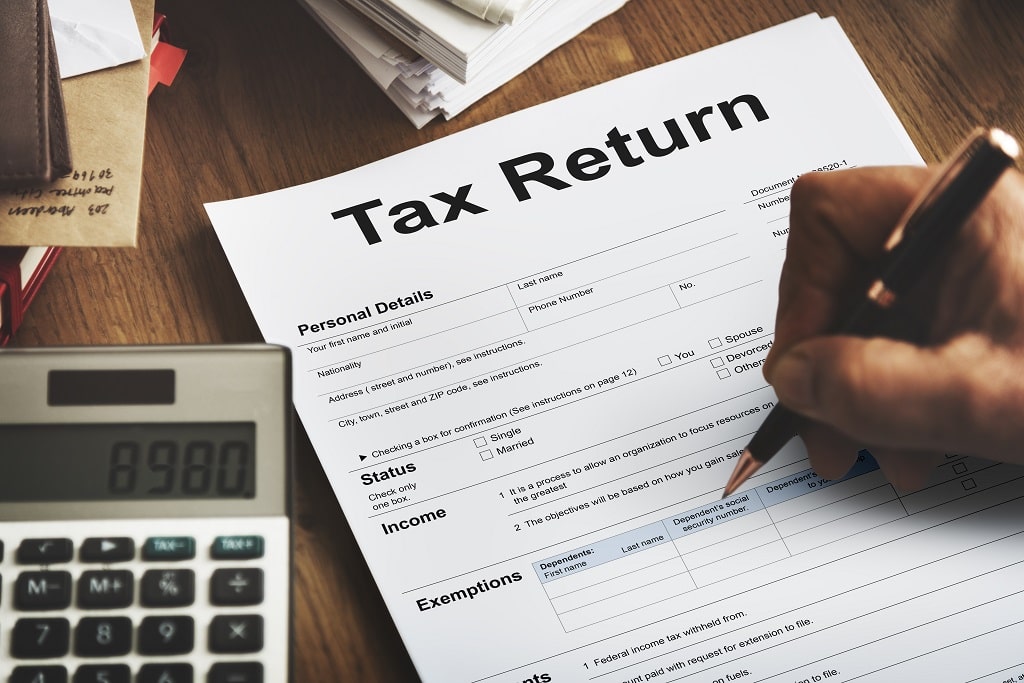

If you’re wondering “Why is my tax return so high this year?”, you’re not alone. Many taxpayers are surprised when they receive a larger-than-expected refund. While it may feel like a bonus, there are actually several real reasons why your tax refund may be higher this year.
In this article, we’ll break everything down in simple, easy-to-understand language, so you can clearly understand what’s happening with your money.
Why Is My Tax Return So High This Year?
A high tax refund usually means you paid more taxes during the year than you actually owed. When this happens, the IRS returns the extra money to you.
But why would this happen? Let’s look at the most common reasons.
1. Higher Standard Deduction This Year
One major reason your refund may be higher is an increased standard deduction.
The IRS raises the standard deduction almost every year to account for inflation. When the deduction increases, your taxable income decreases, which means you owe less tax — and get a bigger refund.
For example:
- Standard deduction increased for recent tax years
- Less taxable income
- Lower taxes owed
- Bigger refund
According to the IRS, standard deductions have increased significantly, which helps many taxpayers reduce their tax bill automatically.
Learn more here:
- IRS Standard Deduction: https://www.irs.gov/newsroom/irs-releases-tax-inflation-adjustments-for-tax-year-2026
2. You Qualified for New Tax Credits
Tax credits are one of the biggest reasons for a large refund.
Some common tax credits include:
Common Refund-Boosting Credits
- Earned Income Tax Credit (EITC)
- Child Tax Credit
- Education Credits
- Energy Credits
- Dependent Care Credit
For example, the Earned Income Tax Credit helps low-to-moderate income workers reduce taxes and even increase refunds.
Learn more:
- Earned Income Tax Credit: https://www.irs.gov/credits-deductions/individuals/earned-income-tax-credit-eitc
Also, the Child Tax Credit can provide up to thousands per child, depending on your income and eligibility.
Learn more:
- Child Tax Credit: https://www.irs.gov/credits-deductions/child-tax-credit
3. You Paid Too Much Tax During the Year
This is actually the most common reason for a high tax refund.
If your employer withheld too much tax from your paycheck, you’ll get that money back.
This can happen if:
- You changed jobs
- You received bonuses
- You updated your W-4 incorrectly
- You worked multiple jobs
When too much tax is withheld, your refund increases.
4. Inflation Adjustments Lowered Your Taxes
Every year, the IRS adjusts tax brackets for inflation.
This means:
- You may fall into a lower tax bracket
- You pay less tax overall
- Your refund increases
These inflation adjustments are designed to prevent people from paying more taxes just because wages increased.
5. New Tax Deductions Introduced This Year
New tax deductions may also increase your refund.
Recent tax changes include:
- Additional deductions for seniors
- Tip income deductions
- Overtime deductions
- Expanded deductions
These changes lower taxable income, which increases refunds.
The IRS confirmed that new deductions and updated credits can increase refunds for many taxpayers.
6. You Had Life Changes This Year
Life changes can significantly impact your tax refund.
Examples include:
- Getting married
- Having a baby
- Buying a home
- Going back to school
- Starting a business
These events often unlock new tax credits and deductions.
For example:
- New parents often qualify for Child Tax Credit
- Students may qualify for education credits
- Homeowners may deduct mortgage interest
7. You Earned Less Income This Year
If you earned less income than last year:
- You pay less tax
- You may qualify for more credits
- Your refund increases
This commonly happens when:
- Changing jobs
- Working fewer hours
- Starting freelance work
- Taking unpaid leave
Lower income often means more refundable credits.
8. More Americans Are Getting Bigger Refunds Recently
Recent reports show that average refunds have increased this year.
Some reports indicate refunds are up by over 10% compared to previous years, with averages above $3,500 in some cases.
This is due to:
- New deductions
- Updated tax laws
- Inflation adjustments
- Over-withholding
Is a Bigger Tax Refund a Good Thing?
A large refund feels great — but it also means:
You gave the government an interest-free loan all year.
Some financial experts suggest adjusting your W-4 so you:
- Keep more money monthly
- Get a smaller refund
But this depends on your preference.
Some people like:
- Bigger refund
- Forced savings
- Lump sum payment
Others prefer:
- Bigger monthly paycheck
- Smaller refund
Both approaches are fine.
Should You Be Worried About a Large Tax Refund?
Usually, no — a large refund is not bad.
But you should:
- Double-check your return
- Make sure numbers are correct
- Avoid mistakes
Sometimes an unusually large refund may indicate:
- Data entry errors
- Incorrect credits
- Duplicate dependents
Always review before filing.
Final Thoughts
If your tax return is higher this year, it’s likely because:
- Higher standard deduction
- New tax credits
- Over-withholding
- Life changes
- Lower income
- Inflation adjustments
Most of the time, a higher refund is completely normal and often a good sign that you’re benefiting from tax credits and deductions.