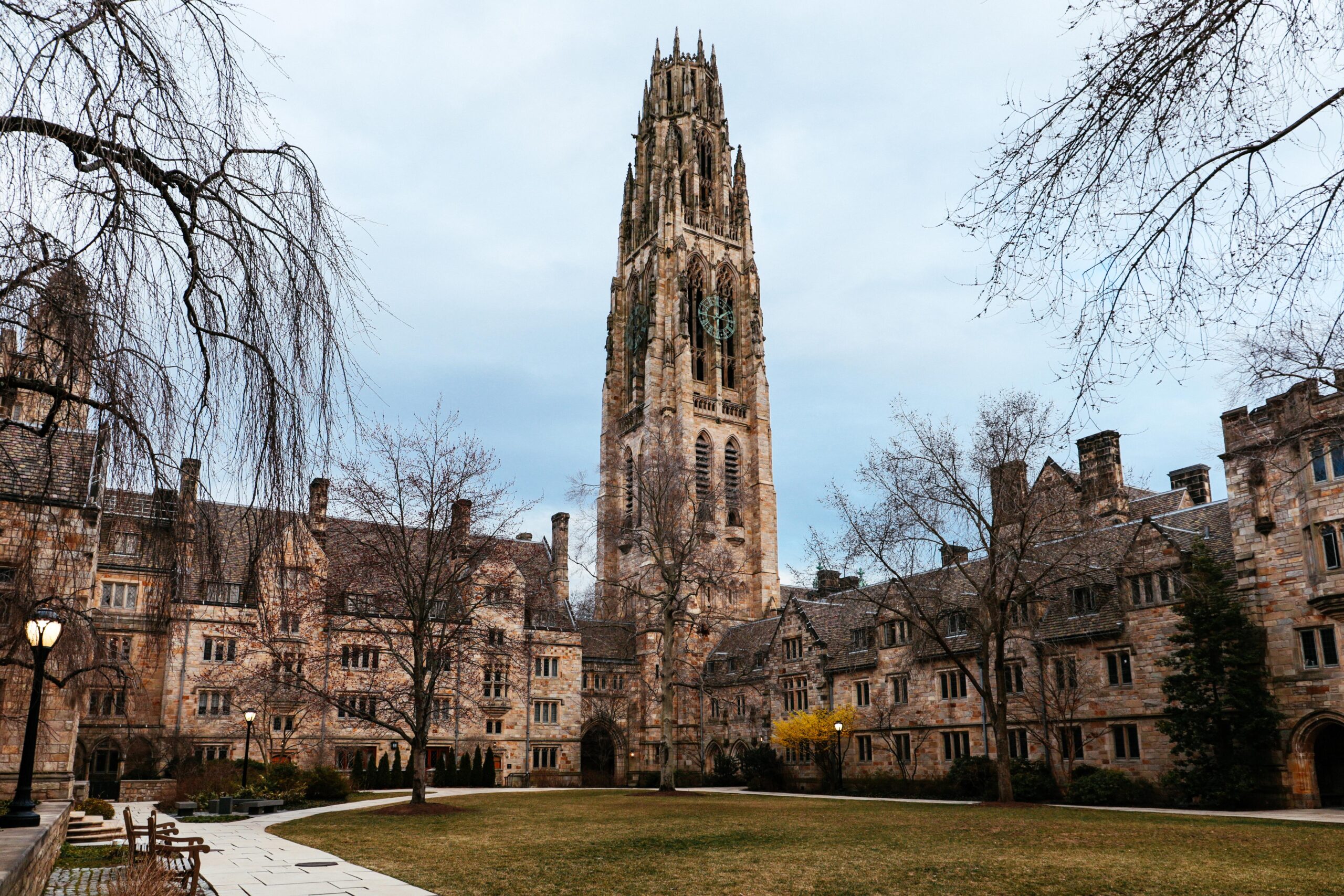
Mental health shouldn’t decide whether a student gets a fair chance at education. But for students like me, mental health challenges have meant struggling not just with illness, but with a system that doesn’t always protect us. That is why I joined a lawsuit against Yale University — to fight policies that, in my view, unfairly discriminate against students with mental health disabilities.
This issue goes beyond individual experience. It reflects a bigger problem in higher education — how universities handle mental health struggles and whether students with disabilities are truly supported and protected under the law.
Let’s take a closer look at what happened, why I’m suing, and what this lawsuit aims to change.
📌 What the Lawsuit Is About
In late 2022, a group of students and alumni brought a federal lawsuit against Yale University, saying the school discriminates against students living with mental health disabilities. The case is called Elis for Rachael, Inc., et al. v. Yale University, et al. and argues that Yale’s policies and practices harm students who struggle with serious emotional or psychological conditions. Bazelon Center+1
The lawsuit claims that Yale:
- Has withdrawal and leave policies that unfairly push students with mental health issues out of school;
- Makes it very hard for those students to return after taking time away;
- Does not provide reasonable accommodations in housing or coursework;
- Treats students with mental health needs differently than students with physical disabilities in ways that may violate federal law. Vladeck, Raskin & Clark
This isn’t about anger toward Yale. It’s about rights. Students with mental health disabilities are protected under federal laws like the Americans with Disabilities Act (ADA) and the Rehabilitation Act. Those laws require schools to make reasonable accommodations so students can fully participate in their education without discrimination. Bazelon Center
📉 What Students Experienced
The lawsuit includes firsthand stories from students who suffered under Yale policies. One student was hospitalized due to a mental health crisis and then involuntarily withdrawn from the university without enough notice or support. After discharge, she was told she could only retrieve her belongings with a police escort and couldn’t say goodbye to friends on campus. The Washington Post
Another student said she struggled to get necessary academic and housing accommodations even after providing medical documentation from her psychiatrist and sleep specialist. When she asked for a reduced course load or the ability to live off-campus for health reasons, Yale denied her requests and required repeated appeals. The Washington Post
For many students in similar situations, withdrawing means losing health insurance, dropping access to mental health services, and bearing the financial cost of forfeited tuition — all while navigating recovery and uncertainty about returning to school. https://www.wfsb.com
These policies, according to the lawsuit, not only affect individual students but also disproportionately impact those from less privileged backgrounds — including students of color, those from low-income families, rural areas, or international students. Vladeck, Raskin & Clark
⚖️ Legal Grounds for the Case
The lawsuit points to several federal laws that Yale allegedly violated:
1. Americans with Disabilities Act (ADA)
This law protects people with disabilities from unfair treatment and requires institutions to provide equal access and reasonable accommodations.
2. Section 504 of the Rehabilitation Act
This provision ensures that no one with a disability is excluded from programs receiving federal funds.
3. Fair Housing Act & Affordable Care Act
These laws protect against discrimination in housing and health care practices, respectively. Bazelon Center
The plaintiffs are seeking injunctive relief, which means they want changes in university policy rather than monetary damages. The goal is to make policies more fair, supportive, and legally compliant so future students aren’t harmed the same way.
📜 Yale’s Response and Policy Changes
Yale has said that its faculty and administrators care deeply about student health and safety and have been making efforts to revise policies over the years. The university believes its practices comply with applicable laws.
Since the lawsuit was filed, Yale has already updated some policies — for example, renaming “medical withdrawals” to “medical leaves of absence” and revising leave and reinstatement procedures to be more accommodating. Bazelon Center
However, the plaintiffs argue these steps are not enough. They say Yale needs to adopt broader and clearer protections that ensure equal access and reasonable accommodation for students living with mental health disabilities.
💡 Why This Case Matters
This lawsuit is significant for several reasons:
🧠 Mental Health Is Real Disability
Mental illnesses, including depression, anxiety, bipolar disorder, and others, can affect a student’s ability to study and participate fully in campus life. These conditions are protected under federal disability law just like physical disabilities.
📚 Equal Access to Education
Students shouldn’t have to choose between getting mental health care and staying enrolled in school.
📈 Policy Reform in Higher Education
If this lawsuit leads to meaningful change at Yale, it could inspire other colleges and universities to review and revise their own mental health policies.
🧑🎓 Protection for Vulnerable Students
The case highlights how inflexible policies can disproportionately affect students without strong financial or social support systems. Vladeck, Raskin & Clark
📌 Final Thoughts
Suing a powerful institution like Yale isn’t easy. It’s emotionally draining, legally complex, and takes courage to speak up. But if nothing changes, thousands of students could continue to face policies that make their mental health journey harder — not easier.
Education should be a place where students grow, learn, and receive support — not one where disabilities are misunderstood or ignored. My hope in sharing this story is that universities everywhere take mental health seriously, change discriminatory practices, and create truly inclusive environments for all students.